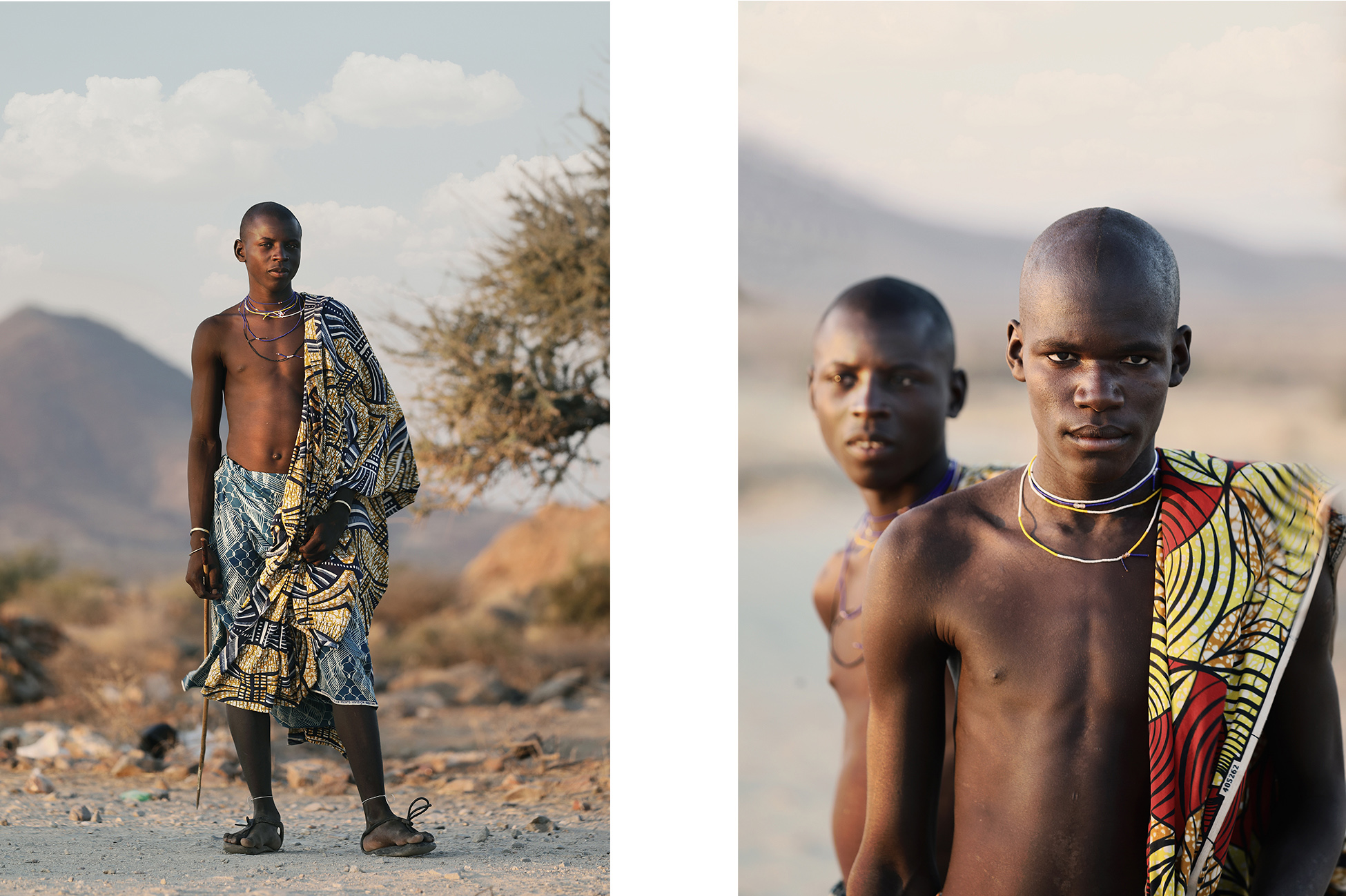
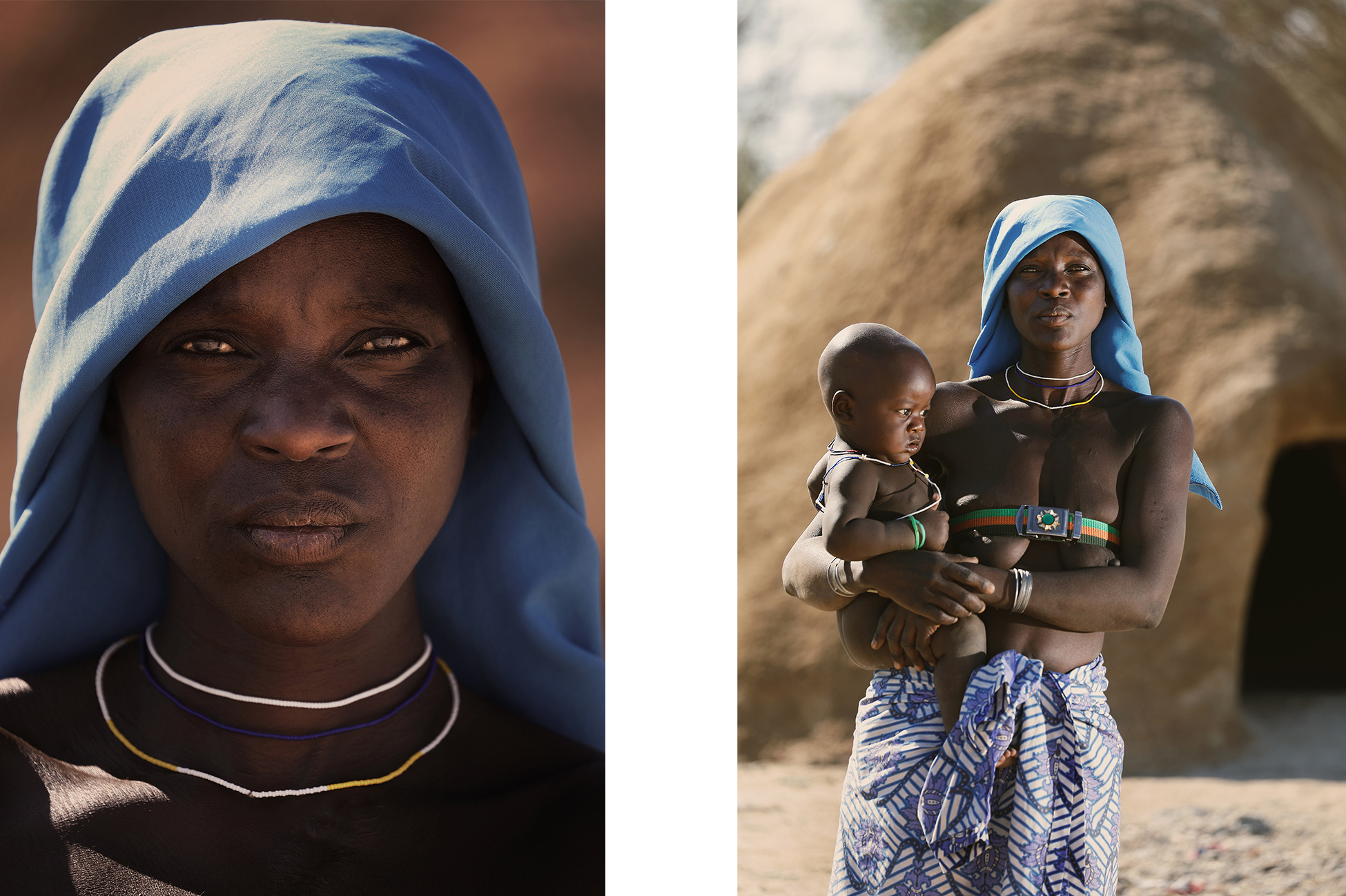
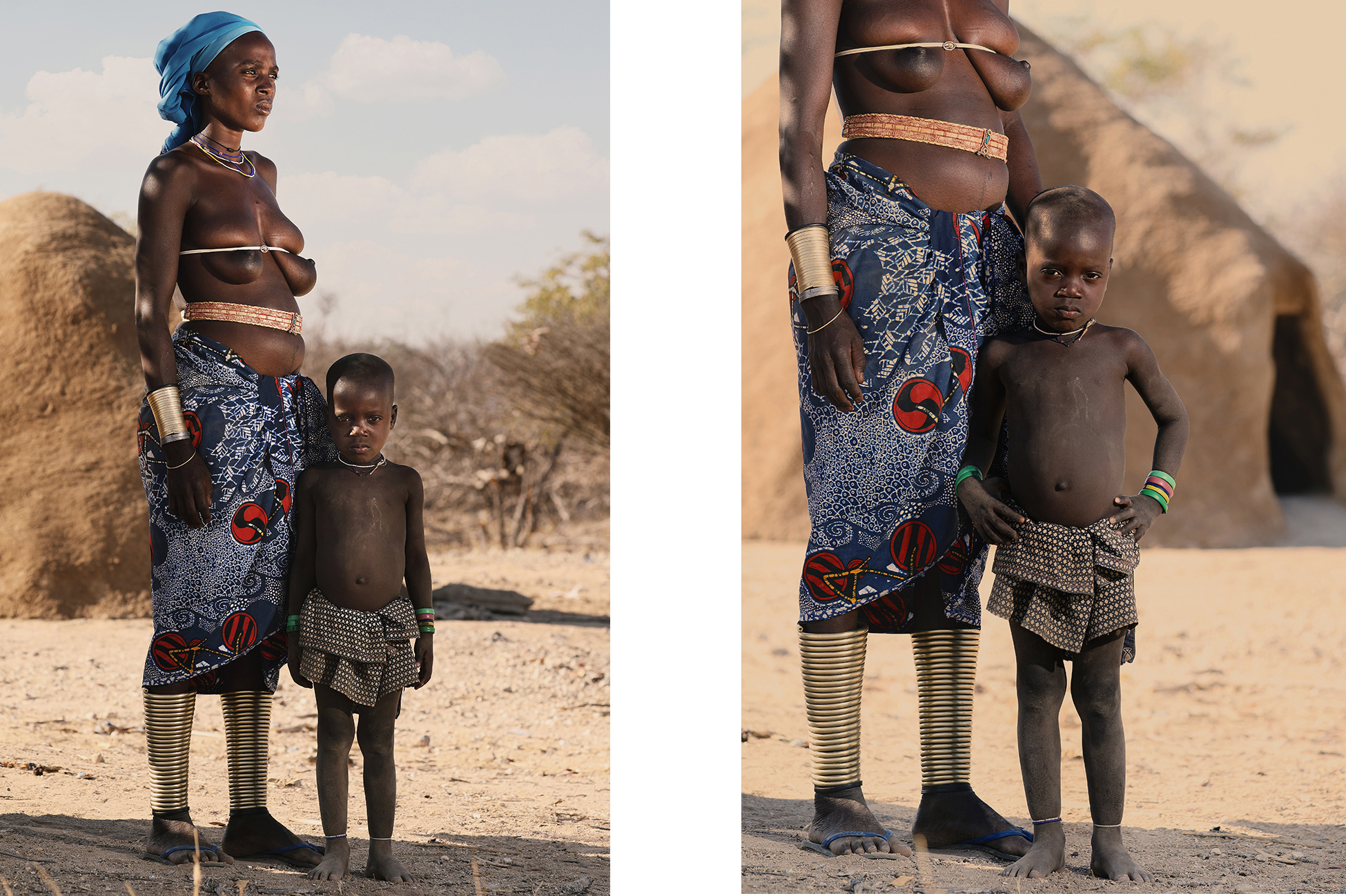
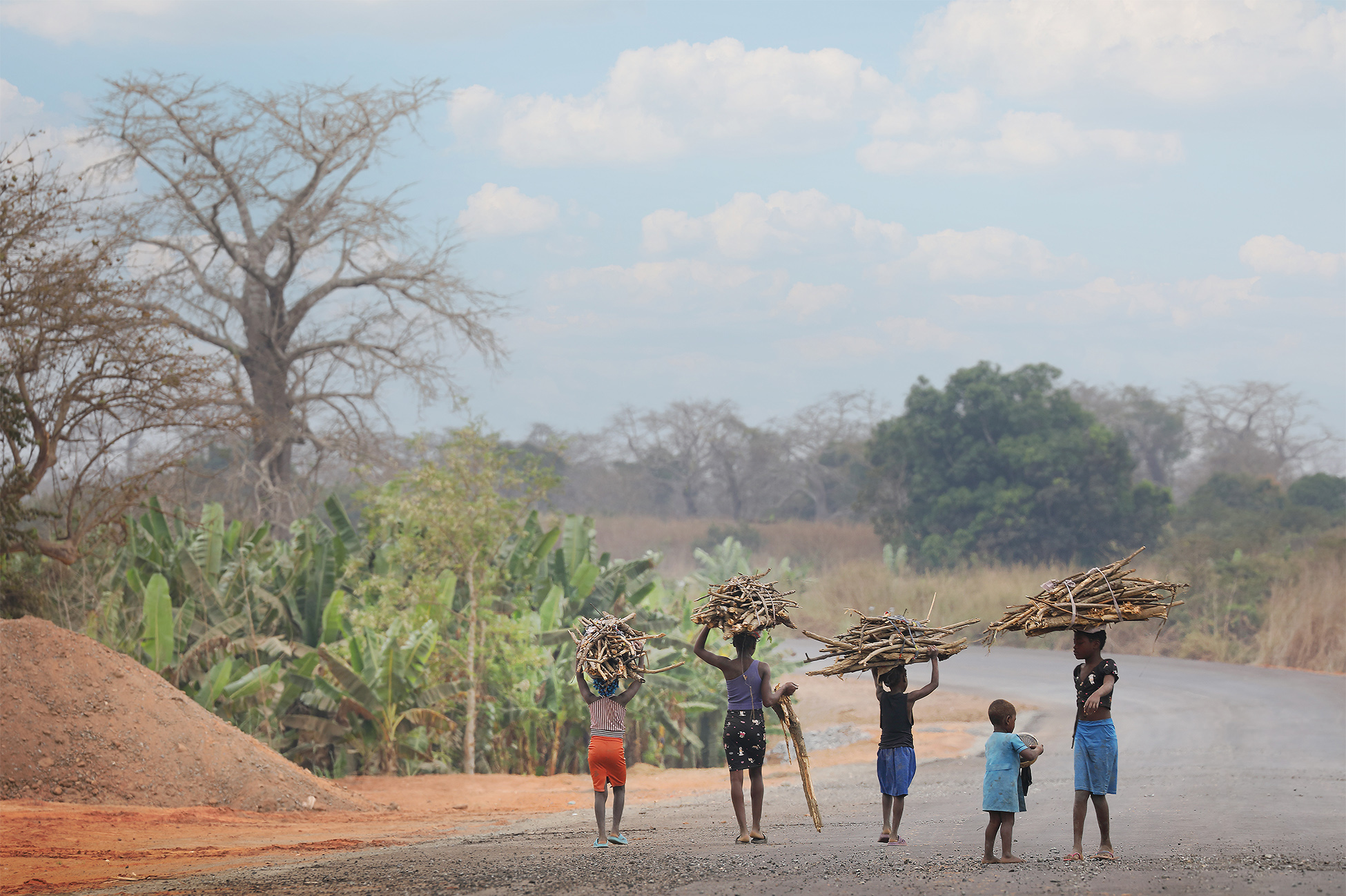
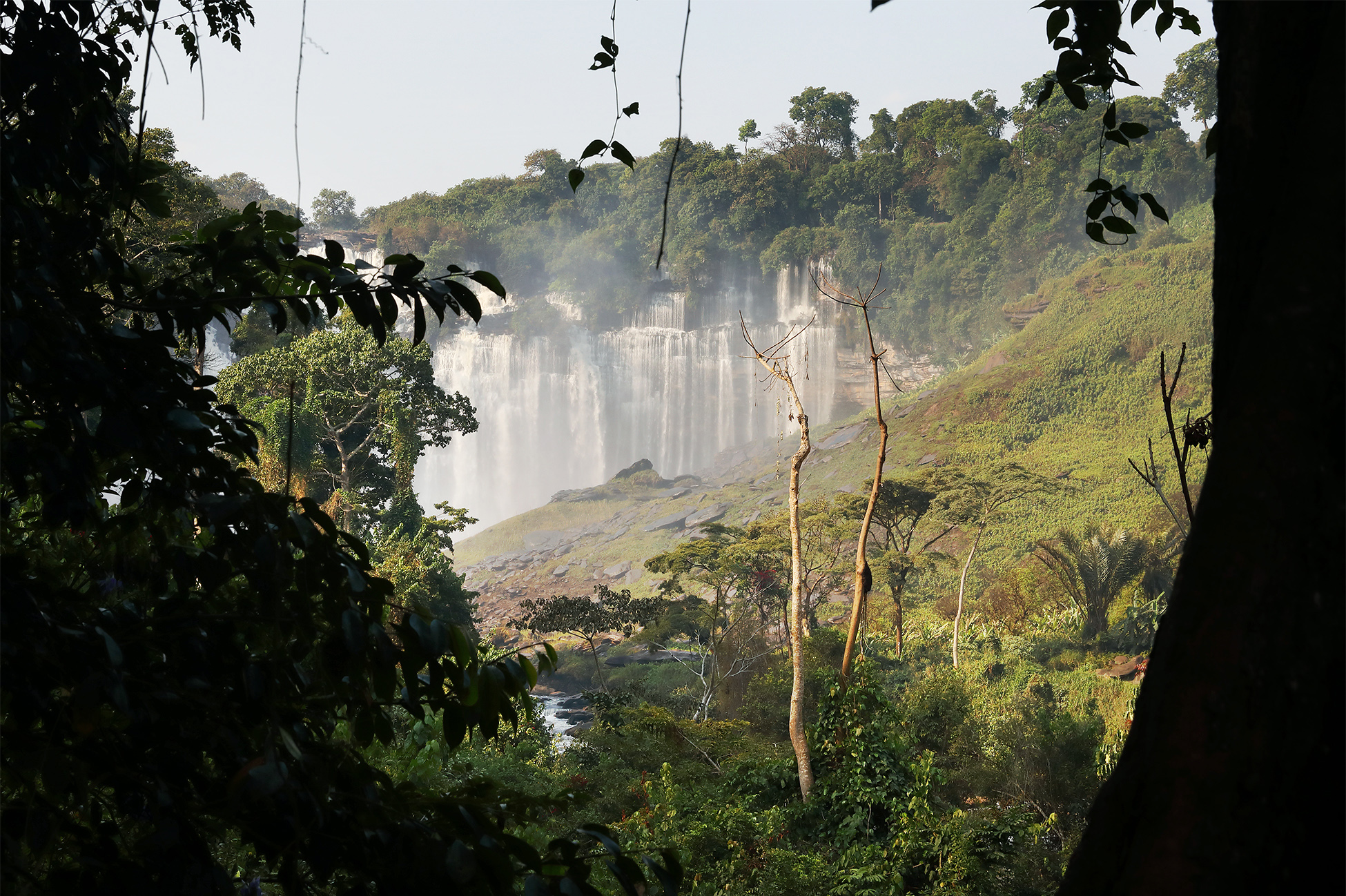
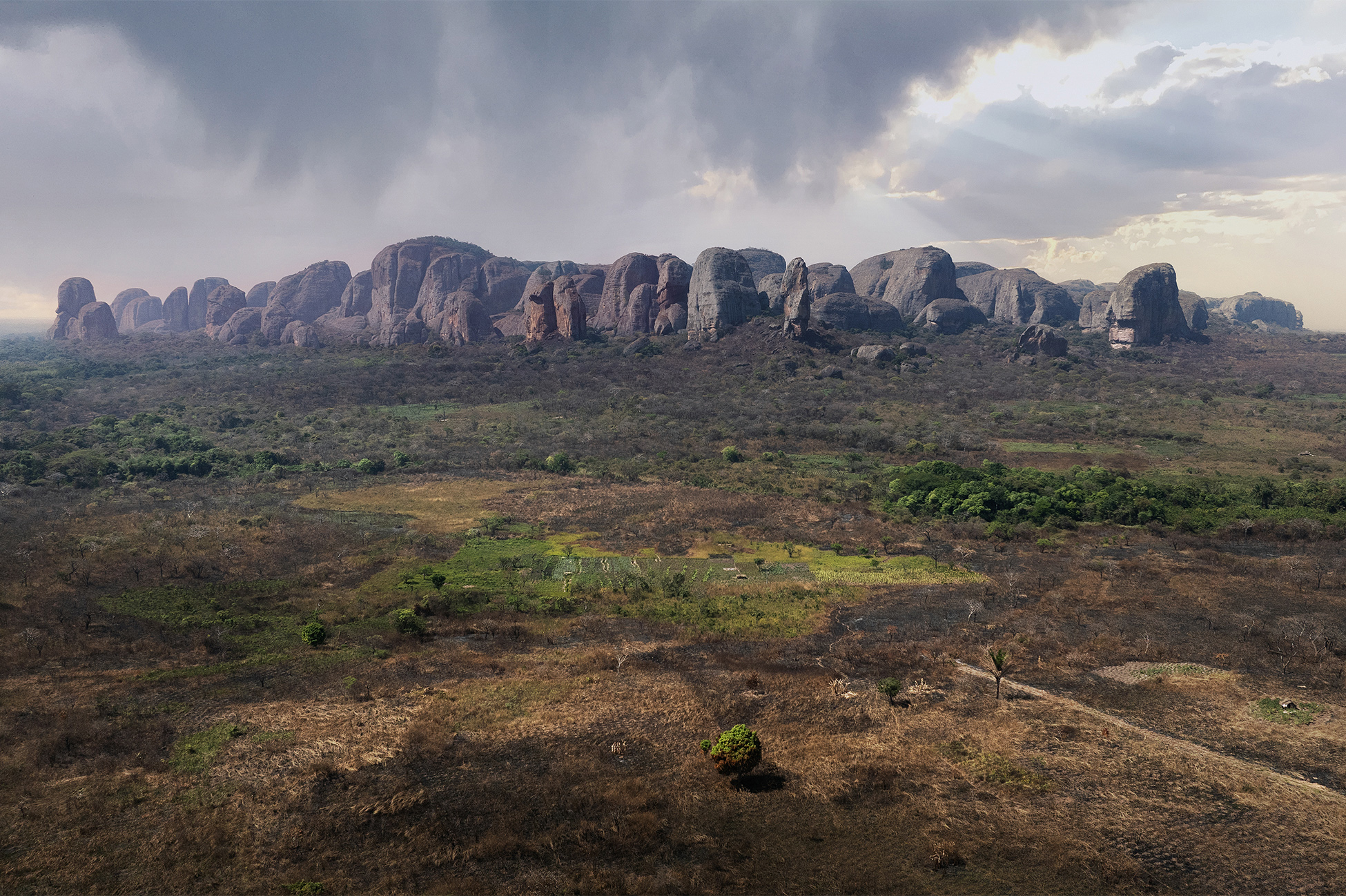
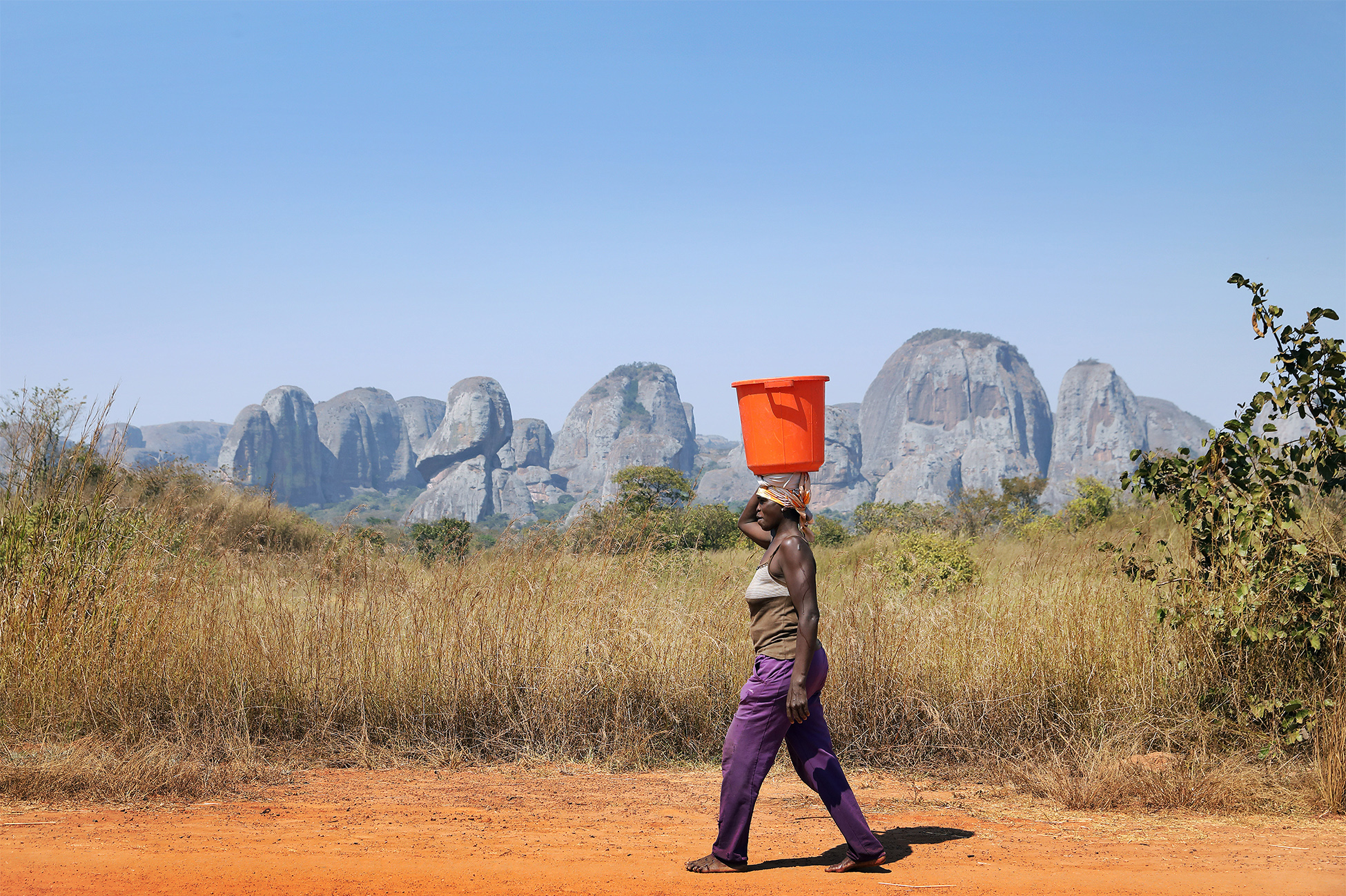
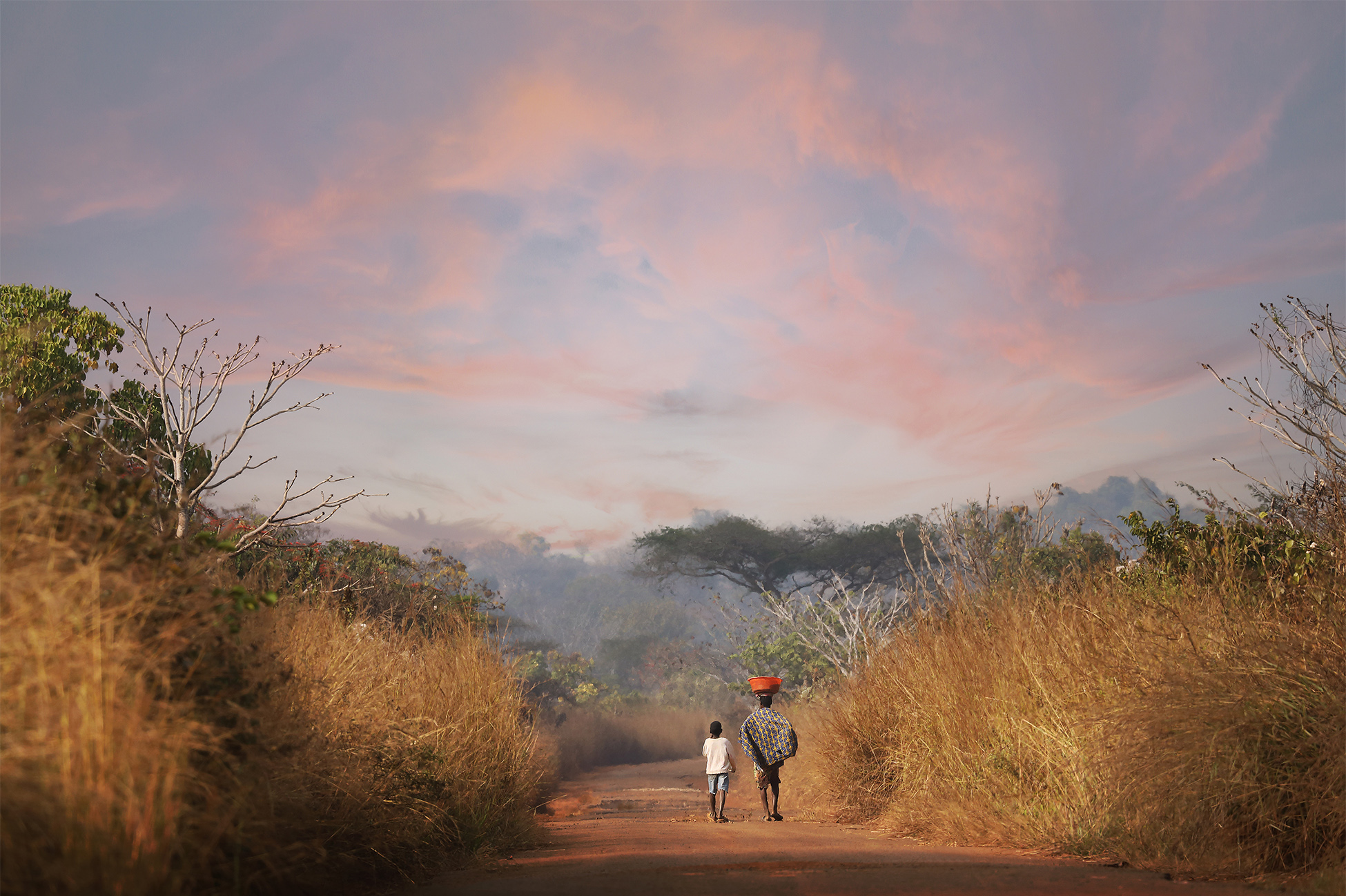
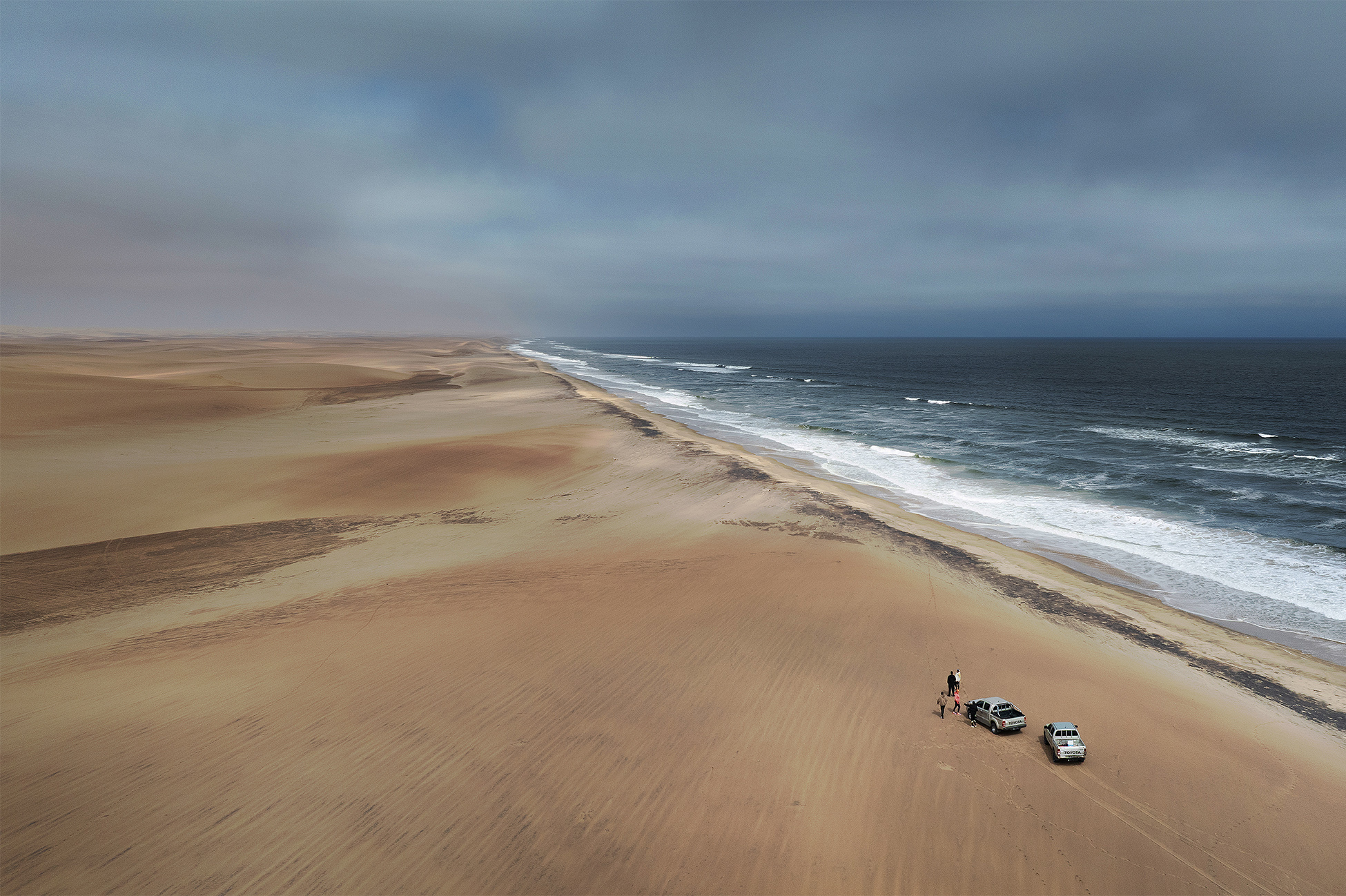
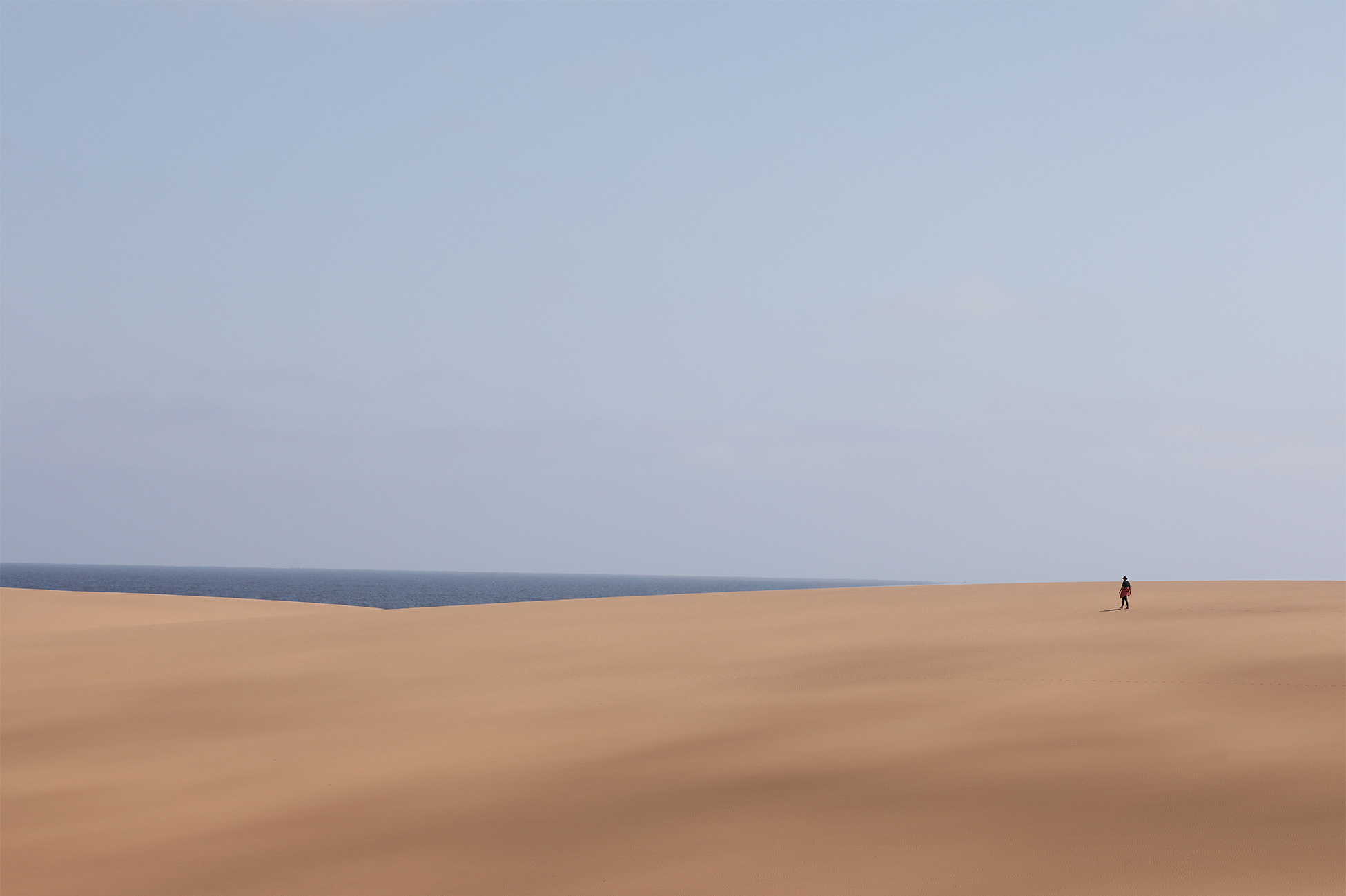
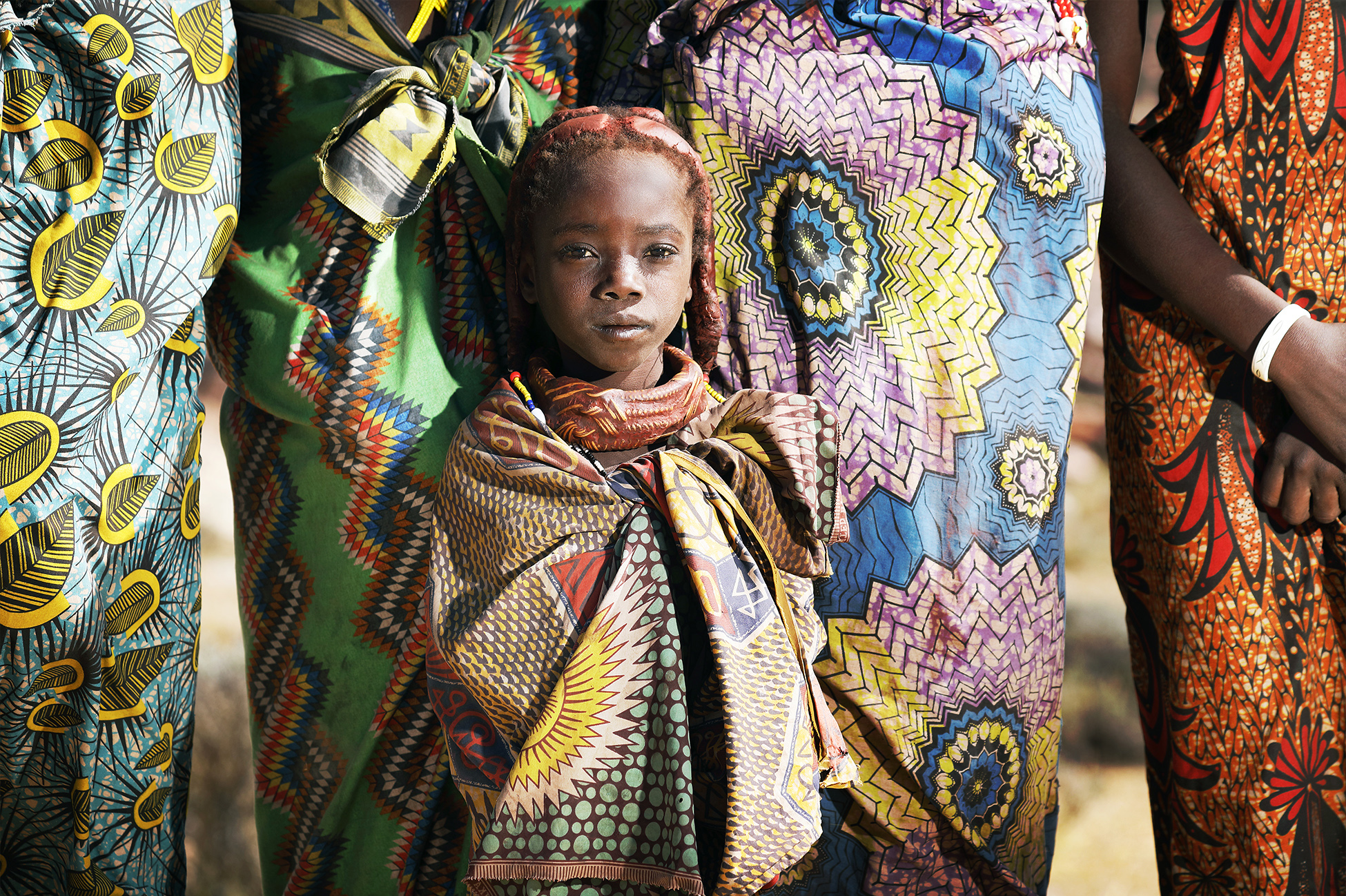
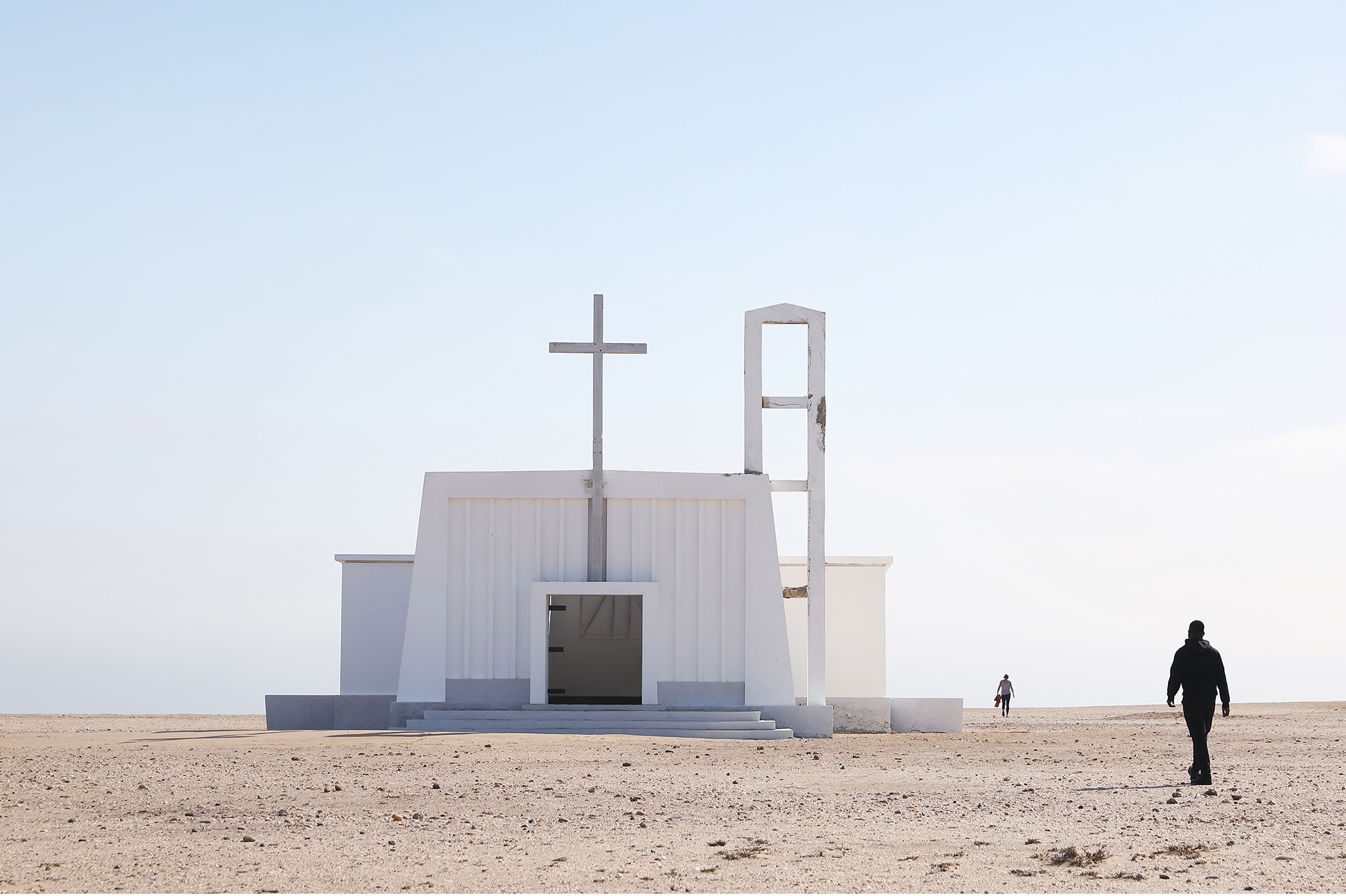
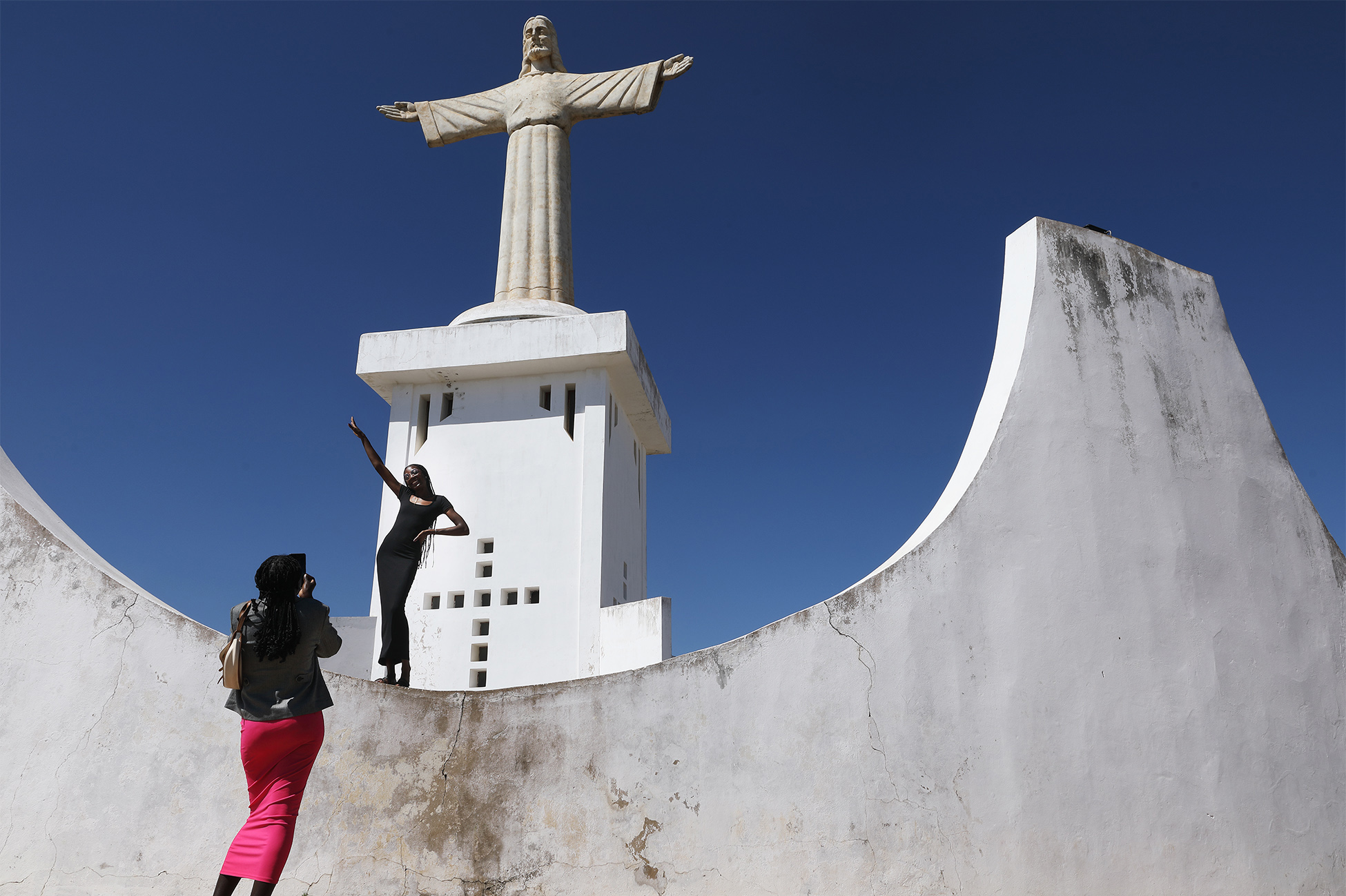
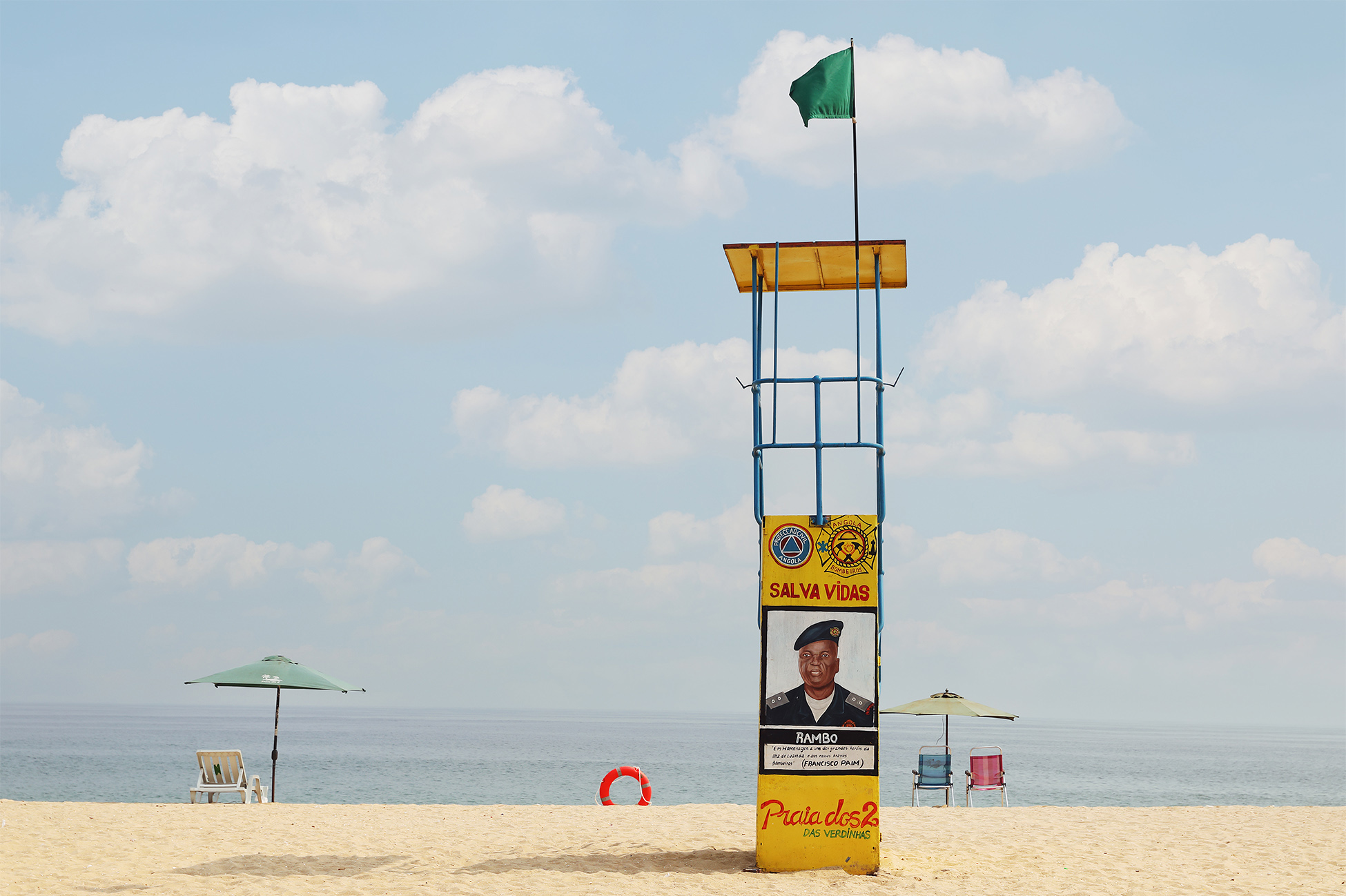
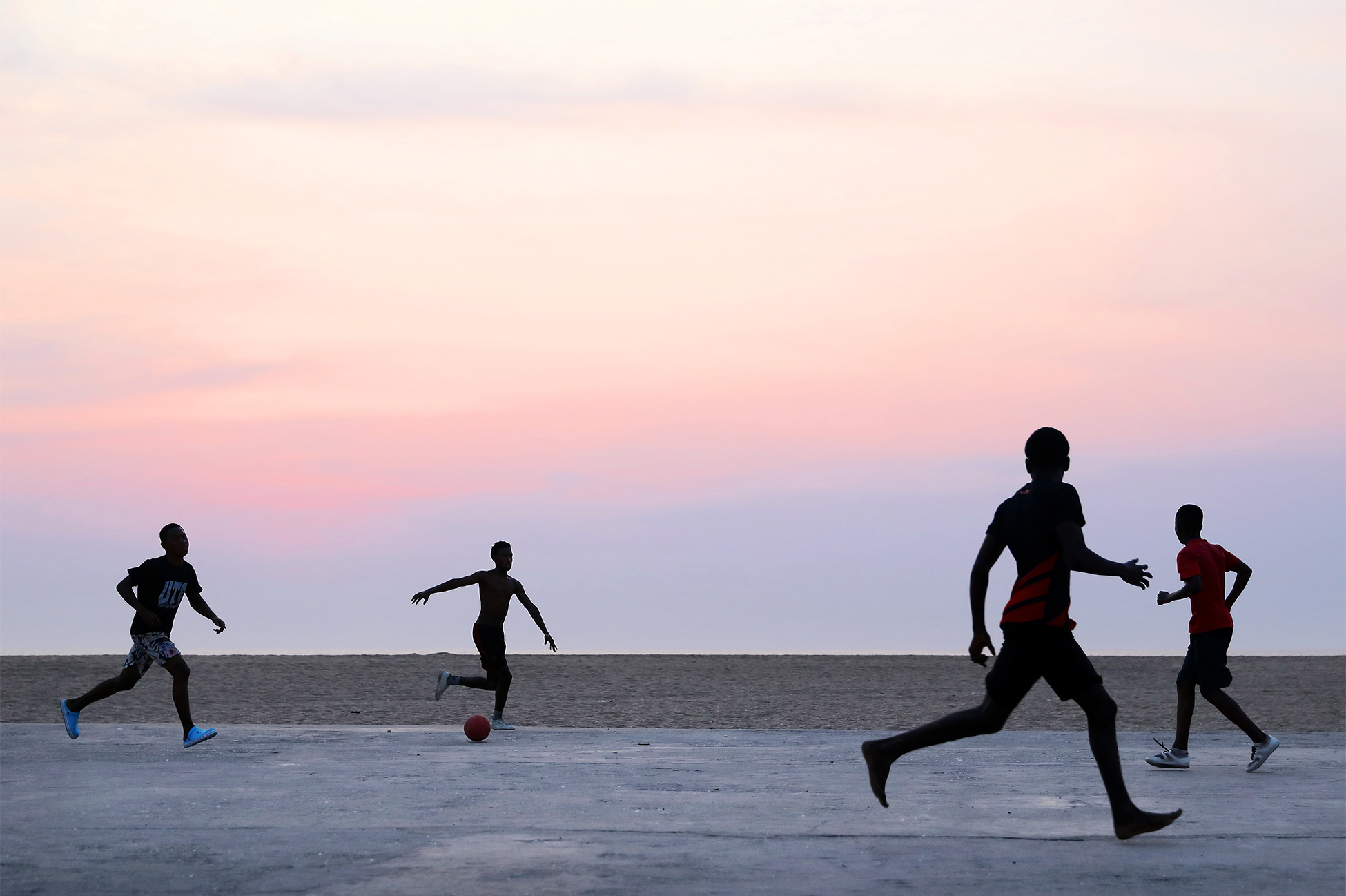
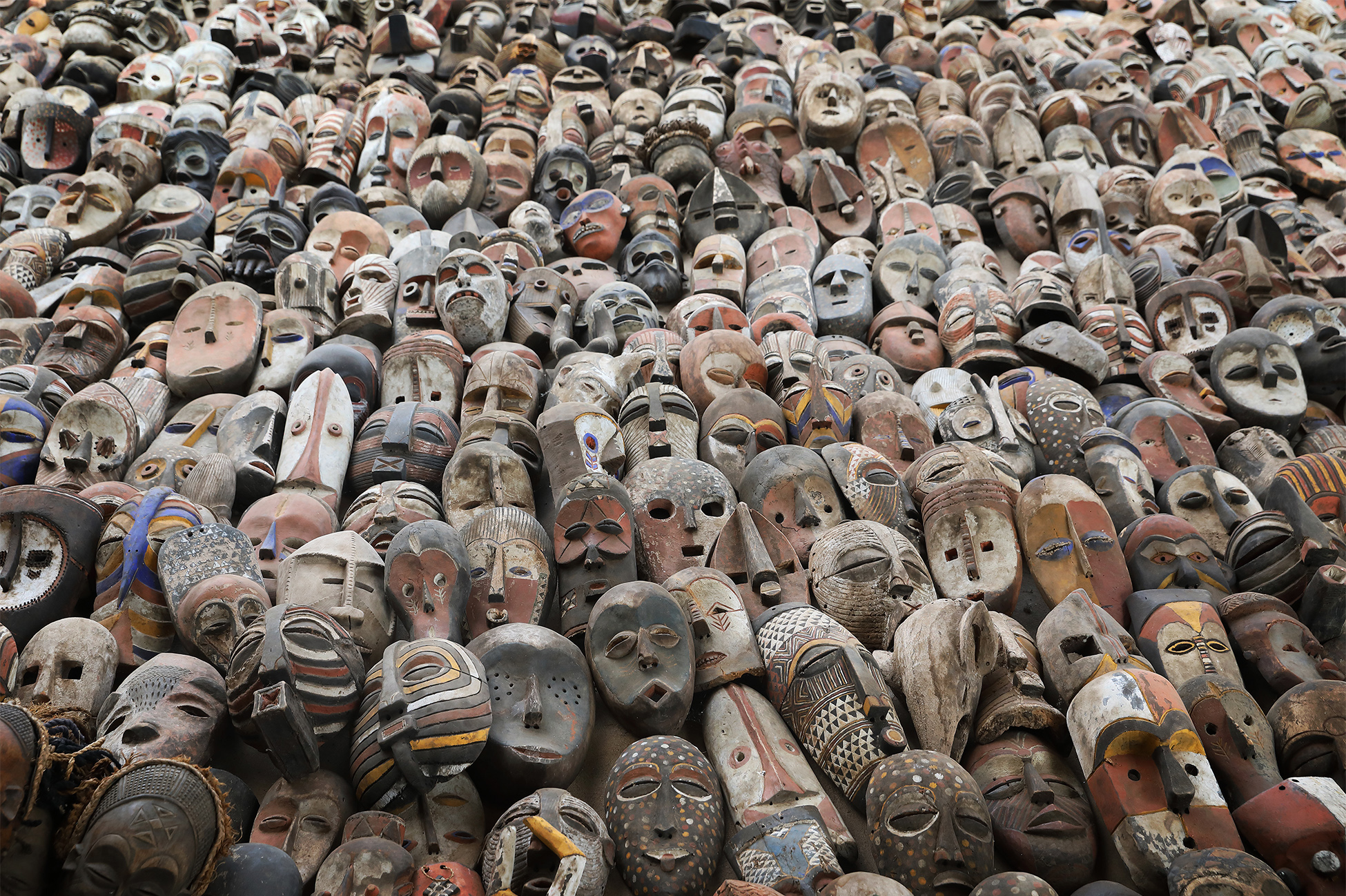
From the Himba in southern Angola to other indigenous groups across the country; each community offers a unique cultural perspective; rich traditions; and visually striking customs. From the Himba in southern Angola to other indigenous groups across the country; each community offers a unique cultural perspective; rich traditions; and visually striking customs. Photographing tribal communities in Angola can be highly rewarding but requires sensitivity, respect, and genuine engagement. From the Himba in the south to other indigenous groups across the country, each community offers distinctive cultural traditions and visually striking practices. Effective photography depends on building trust and allowing moments to unfold naturally rather than staging them. By observing carefully and collaborating with community members, photographers can capture daily life, ceremonial attire, and communal rhythms, creating images that honor both the people’s heritage and individuality while telling authentic, compelling stories. Daily life on the land in Angola is largely shaped by agriculture and rural community activities. Many families grow crops like cassava, maize, and beans, tend livestock, and rely on local markets for trade, while social life revolves around family, communal events, and traditional ceremonies. Usually large distances are undertaken to reach the nearest village and this is done mostly by foot. Kalandula Falls is one of the largest and most spectacular waterfalls in Angola if not Africa, located on the Lucala River in Malanje Province. The falls feature a series of powerful cascades dropping about 105 meters over a wide rock face, surrounded by lush vegetation, making it a popular destination for sightseeing, photography, and eco-tourism. It is the number 1 tourist attraction in Angola Pedras Negras de Pungo Andongo is a dramatic set of ancient monolithic rock formations rising above the savanna in the Pungo‑Andongo area of Malanje Province in Angola. Travel Photography Angola Rural Life Daily life on the land in Angola is largely shaped by agriculture and rural community activities. The desert in southern Angola is called the Moçâmedes Desert, forming the northern extension of the ancient Namib Desert. Located in Namibe Province, this dry coastal region is characterized by striking sand dunes, gravel plains, and unique plant life such as Welwitschia mirabilis, stretching from the Atlantic coast into the arid interior. The desert in southern Angola is called the Moçâmedes Desert, forming the northern extension of the ancient Namib Desert. Located in Namibe Province, this dry coastal region is characterized by striking sand dunes, gravel plains, and unique plant life such as Welwitschia mirabilis, stretching from the Atlantic coast into the arid interior. Photographing tribal communities in Angola is a deeply rewarding experience that requires sensitivity; respect; and genuine engagement. From the Himba in southern Angola to other indigenous groups across the country; each community offers a unique cultural perspective; rich traditions; and visually striking customs. Successful photography in these contexts relies on building trust and understanding; allowing moments to unfold naturally rather than being staged. Through careful observation and collaboration; a photographer can capture the vibrancy of daily life; ceremonial attire; and the intimate rhythms of community; creating images that honor both the individuality and heritage of the people while telling authentic; compelling visual stories. Capela da Senhora dos Navegantes. Cristo Rei de Lubango is a large statue of Jesus Christ overlooking the city of Lubango from a hilltop, inspired by the famous Christ the Redeemer in Rio de Janeiro. It has become a major tourist attraction, offering panoramic views of the city and surrounding highlands while serving as a symbol of faith for the local community. In Luanda, Angola, beaches are a central part of daily life, with people enjoying swimming, sunbathing, and playing sports along the coast. Areas like Ilha do Mussulo attract visitors with seaside restaurants, water activities, and lively weekend gatherings. Masks from Angola are central to the spiritual and ceremonial life of several ethnic groups, especially the Chokwe, where they are used in initiation rites, healing rituals, and community celebrations. These masks often represent ancestral spirits or symbolic characters and are carved from wood, then decorated with pigments, fiber, beads, or metal to convey status and meaning.